Contamination Prevention
Contamination Prevention
What is recycling contamination?
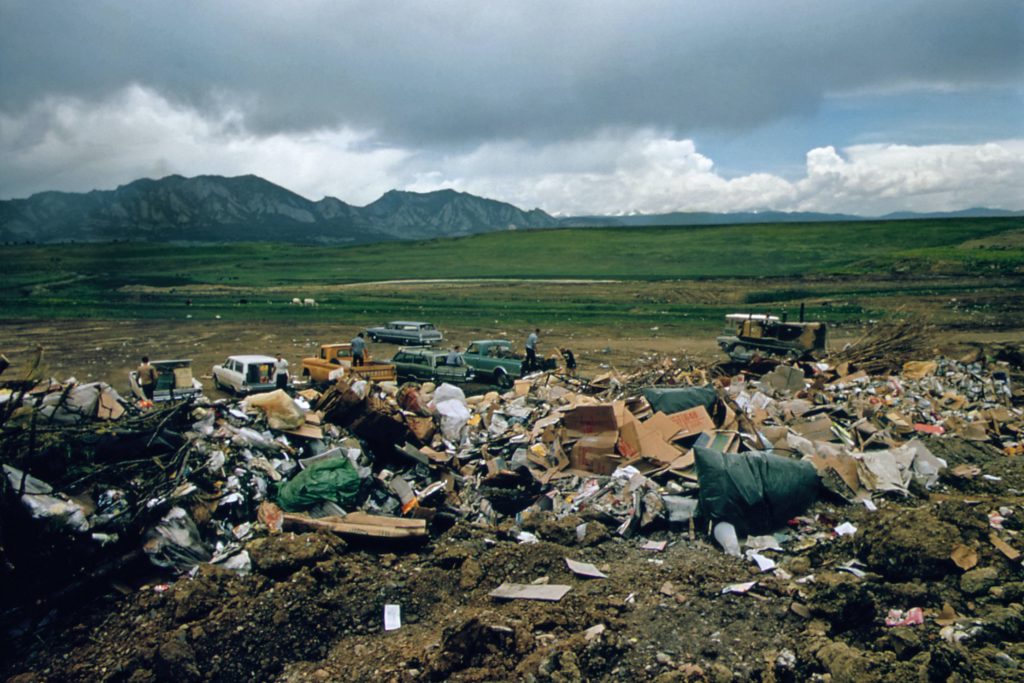
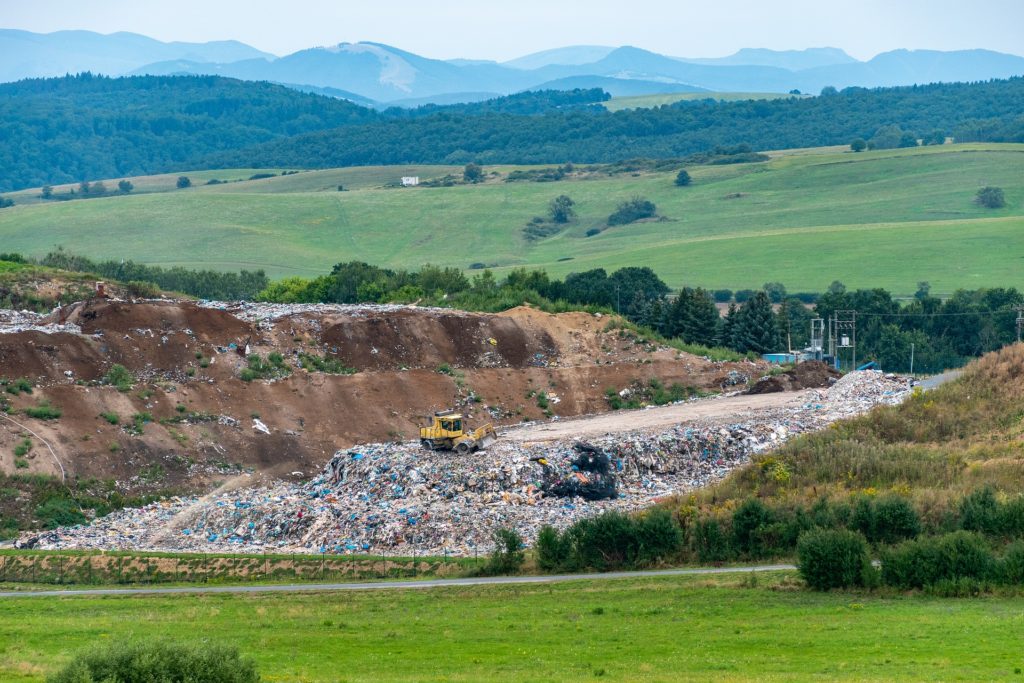
Recycling contamination happens when unrecyclable or misplaced materials are present in a batch of materials sent to recycling facilities. The contaminants must be sorted out by hand and sent to landfills. However, most recycling facilities do not have the time or labor necessary to sort out contaminants, so the entire batch gets sent to the landfill.

Why does contamination matter?
When a contaminant enters the recycling process, it contaminates the entire batch of materials, resulting in the batch being sent to a landfill.
Unrecyclable items can also cause costly damage to recycling facilities’ equipment.
Recycling improper materials can cause more harm than good. Contamination greatly reduces the recycling rate and increases the cost of recycling.
A quarter of the waste consumers contribute to single-stream recycling is contaminated (Cho). Awareness of proper recycling methods that avoid contamination will increase recycling rates.
What are contaminants?
- Food & food-soiled paper
- Liquids, oil, grease
- Unlabeled plastics & plastic bags
- Greasy pizza boxes
- Brightly colored paper
- Frozen food containers
- Ink cartridges
- Diapers
- Needles, paint, batteries
What is recycling contamination?
Recycling contamination happens when unrecyclable materials are present in a batch of materials sent to recycling facilities. The contaminants must be sorted out by hand and sent to landfills. However, most recycling facilities do not have the time or labor necessary to sort out contaminants, so the entire batch gets sent to the landfill.
What are contaminants?
- Food & food-soiled paper
- Liquids, oil, grease
- Unlabeled plastics & plastic bags
- Greasy pizza boxes
- Brightly colored paper
- Frozen food containers
- Ink cartridges
- Diapers
- Needles, paint, batteries
Why does contamination matter?
When a contaminant enters the recycling process, it contaminates the entire batch of materials, resulting in the batch being sent to a landfill.
Unrecyclable items can also cause costly damage to recycling facilities’ equipment.
Recycling improper materials can cause more harm than good. Contamination greatly reduces the recycling rate and increases the cost of recycling.
A quarter of the waste consumers contribute to single-stream recycling is contaminated (Cho). Awareness of proper recycling methods that avoid contamination will increase recycling rates.
How to prevent contamination
- Empty and rinse all containers
- Familiarize yourself with your recycling program's requirements
- Be aware of following single or multi-stream recycling
- Check number labeled on plastics (#1-2 are accepted, #3-7 are collected but not usually recycled)
What is recycling contamination?
Recycling contamination happens when unrecyclable materials are present in a batch of materials sent to recycling facilities. The contaminants must be sorted out by hand and sent to landfills. However, most recycling facilities do not have the time or labor necessary to sort out contaminants, so the entire batch gets sent to the landfill.
Why does contamination matter?
When a contaminant enters the recycling process, it contaminates the entire batch of materials, resulting in the batch being sent to a landfill.
Unrecyclable items can also cause costly damage to recycling facilities’ equipment.
Recycling improper materials can cause more harm than good. Contamination greatly reduces the recycling rate and increases the cost of recycling.
A quarter of the waste consumers contribute to single-stream recycling is contaminated (Cho). Awareness of proper recycling methods that avoid contamination will increase recycling rates.
What are contaminants?
- Food & food-soiled paper
- Liquids, oil, grease
- Unlabeled plastics & plastic bags
- Greasy pizza boxes
- Brightly colored paper
- Frozen food containers
- Ink cartridges
- Diapers
- Needles, paint, batteries
How to prevent contamination
- Empty and rinse all containers
- Familiarize yourself with your recycling program's requirements
- Be aware of following single or multi-stream recycling
- Check number labeled on plastics (#1-2 are accepted, #3-7 are collected but not usually recycled)